Korean BBQ is not only about grilled meat. The best bites usually come from the supporting pieces around the grill: lettuce, rice, sauces, garlic, kimchi, and banchan. Each part has a job. Meat brings richness and char. Lettuce adds freshness. Rice gives the bite structure. Sauce adds salt, sweetness, heat, or sesame aroma. When those pieces are balanced, the meal feels lively instead of heavy.
A lettuce wrap, often called ssam, is one of the easiest ways to understand Korean BBQ. Start with a leaf, add a small piece of grilled meat, then add a little rice or sauce if you want. The goal is not to make the biggest wrap possible. A smaller wrap is easier to eat and lets each ingredient stay clear. Too much sauce can hide the grilled flavor, while too much rice can make the bite feel dry.
How sauces support the meal
Sauces are meant to guide flavor, not cover it. A salty-sesame dip can make pork belly taste rounder. A spicy paste can wake up short ribs or vegetables. A lighter sauce can keep grilled meat from feeling too rich. If you are new to the table, taste each sauce separately before building a wrap.
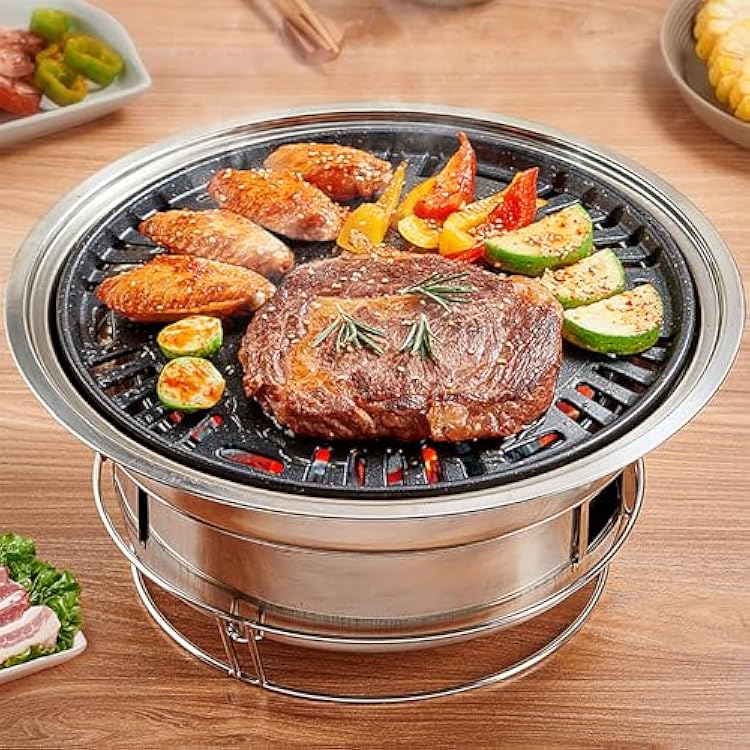
BBQ bite builder
| Part | What it adds | Helpful tip |
|---|---|---|
| Grilled meat | Richness, char, and savory depth. | Let the meat be the main flavor. |
| Lettuce or greens | Freshness and crunch. | Use one leaf so the wrap stays easy to eat. |
| Sauce | Salt, spice, sweetness, or sesame aroma. | Start with a small amount and add more later. |
Common mistakes to avoid
The first mistake is building every bite the same way. Korean BBQ stays interesting because each bite can change. Try one piece with sauce, one with kimchi, one with rice, and one wrapped in lettuce. The second mistake is rushing. If the table is sharing, let the grill set the pace.
The third mistake is ignoring allergies or dietary needs. Sauces may contain soy, sesame, wheat, seafood seasoning, or other ingredients. Lettuce wraps can also pick up sauce from shared plates. If someone at the table has an allergy, ask before ordering and keep shared utensils clean.
A better way to order
For two people, one grill item with rice and banchan can be enough if you want a lighter meal. For a group, add a stew or rice bowl so the table has a warm, brothy contrast. If the meat is rich, choose a bright side. If the sauce is spicy, keep rice nearby.
At 777 Korean Restaurant, BBQ works best as a shared experience. Ask what pairs well with the grill items available that day, then build the table around balance: one rich item, one fresh item, one steady base, and one flavor that wakes everything up.
How to keep BBQ balanced through the meal
As the meal continues, the grill table changes. Early bites may taste clean and smoky, while later bites can feel richer because sauces, rendered fat, and side dishes build on the palate. This is why it helps to move between different styles of bites instead of repeating the same wrap over and over. Try one bite with lettuce, one with rice, one with kimchi, and one with only a small touch of sauce. The variety keeps the meal comfortable.
If the group orders several meats, start with lighter or less sauced items before moving into richer marinades. Strong flavors are easier to appreciate when your palate is not already tired. Banchan and water also help reset the table between rounds. Korean BBQ is at its best when the group treats the meal as a steady rhythm rather than a race.
Questions to ask before grilling
Before ordering, ask which BBQ items are best for sharing and which sauces come with them. If the group includes someone avoiding pork, seafood, wheat, soy, or sesame, ask before the grill is started. Marinades and dips can contain ingredients that are not visible once the food is cooked. It is easier to plan before the table is full than to correct the order later.
For first-time guests, one grill item plus rice and banchan is a comfortable start. If the table wants more variety, add a stew for warmth or a rice bowl for structure. This keeps the meal balanced and gives every guest a way to enjoy Korean BBQ without needing to understand every sauce immediately.
Reader note
This guide is original informational content written to help guests make practical Korean dining decisions. It is not a guarantee of current menu availability, pricing, portion size, spice level, or preparation on a specific day.
If allergies, dietary needs, alcohol choices, takeout timing, or group orders matter, confirm details directly with the restaurant before ordering. Advertising, if shown on this page, is separate from the article and does not change the guidance.