Korean side dishes, or banchan, make the table feel generous, but they can also raise questions for first-time guests. Are they shared? Should you finish them all? Can you ask for more? The answers depend on the restaurant, the dish, and the situation, but the basic idea is simple: enjoy them respectfully, take small portions, and ask when you are unsure.
Banchan is usually meant to support the whole meal. You can eat it with rice, between bites of stew, beside grilled meat, or as a small contrast to spicy dishes. It is not necessary to treat every side dish like a separate appetizer. Think of banchan as a set of small tools that help balance flavor, texture, and temperature.
Sharing with care
If serving utensils are provided, use them. If they are not provided, take small bites neatly and avoid mixing personal utensils into shared dishes when possible. This is especially important when the table includes guests with allergies, dietary restrictions, or different spice preferences.
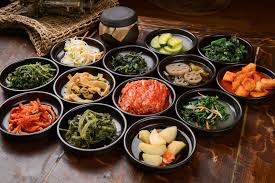
Side dish etiquette table
| Situation | Good habit | Why it helps |
|---|---|---|
| Trying a new side | Take a small bite first. | You learn the spice and texture before taking more. |
| Sharing banchan | Use serving utensils when available. | Keeps the shared table cleaner and more comfortable. |
| Wanting more | Ask politely if refills are available. | Policies can vary by restaurant and dish. |
Do you need to finish everything?
You do not need to force yourself to finish every side dish, especially if something is too spicy or unfamiliar. It is better to taste thoughtfully and eat what supports your meal. At the same time, taking only what you plan to eat helps reduce waste. If a side dish becomes your favorite, ask whether more is available instead of assuming.
Some banchan may be naturally strong because of fermentation, garlic, chili, or seafood seasoning. That strength is part of Korean dining, but it does not mean every side will suit every guest. Rice can soften stronger flavors, and mild dishes can give your palate a break.
Allergy-aware side dish habits
Side dishes can contain soy, sesame, wheat, egg, seafood, shellfish, nuts, or other allergens. Broths and seasonings may not be visible. If allergies matter, ask before eating banchan and avoid cross-contact with shared utensils.
At 777 Korean Restaurant, banchan is meant to make the meal more enjoyable and varied. Approach it with curiosity, share politely, and let the side dishes help you understand the larger table.
How banchan supports conversation
Banchan also changes the social rhythm of the meal. Because the dishes are small and shared, they invite people to compare flavors, ask questions, and move around the table. This makes Korean dining feel more interactive than a single-plate meal. A guest may discover a favorite side dish, while another guest may use the same side only as a small contrast.
The respectful approach is to stay curious without making the table messy. Take modest portions, leave room for others, and ask if you do not recognize an ingredient. If a side dish contains a flavor you do not enjoy, it is fine to move on. Banchan is there to support the meal, not pressure every guest into the same taste.
When side dishes become the best part
It is normal for guests to enjoy one side dish more than expected. A simple vegetable, a tangy kimchi, or a lightly seasoned item can become the bite that makes the main dish better. If that happens, use the side dish with intention instead of eating it all at once. Pair it with rice, broth, or grilled meat and notice how it changes the flavor.
If you want more, ask politely. Some side dishes may be refillable, while others may depend on availability or restaurant policy. A respectful question is better than assuming every small plate works the same way.
Reader note
This guide is original informational content written to help guests make practical Korean dining decisions. It is not a guarantee of current menu availability, pricing, portion size, spice level, or preparation on a specific day.
If allergies, dietary needs, alcohol choices, takeout timing, or group orders matter, confirm details directly with the restaurant before ordering. Advertising, if shown on this page, is separate from the article and does not change the guidance.