Many guests think Korean food is always spicy, but that is only part of the story. Korean cooking also includes mild soups, rice bowls, grilled meats, vegetable sides, savory broths, and gently seasoned dishes. If you prefer less heat, you can still enjoy a full Korean meal by choosing carefully and asking clear questions before ordering.
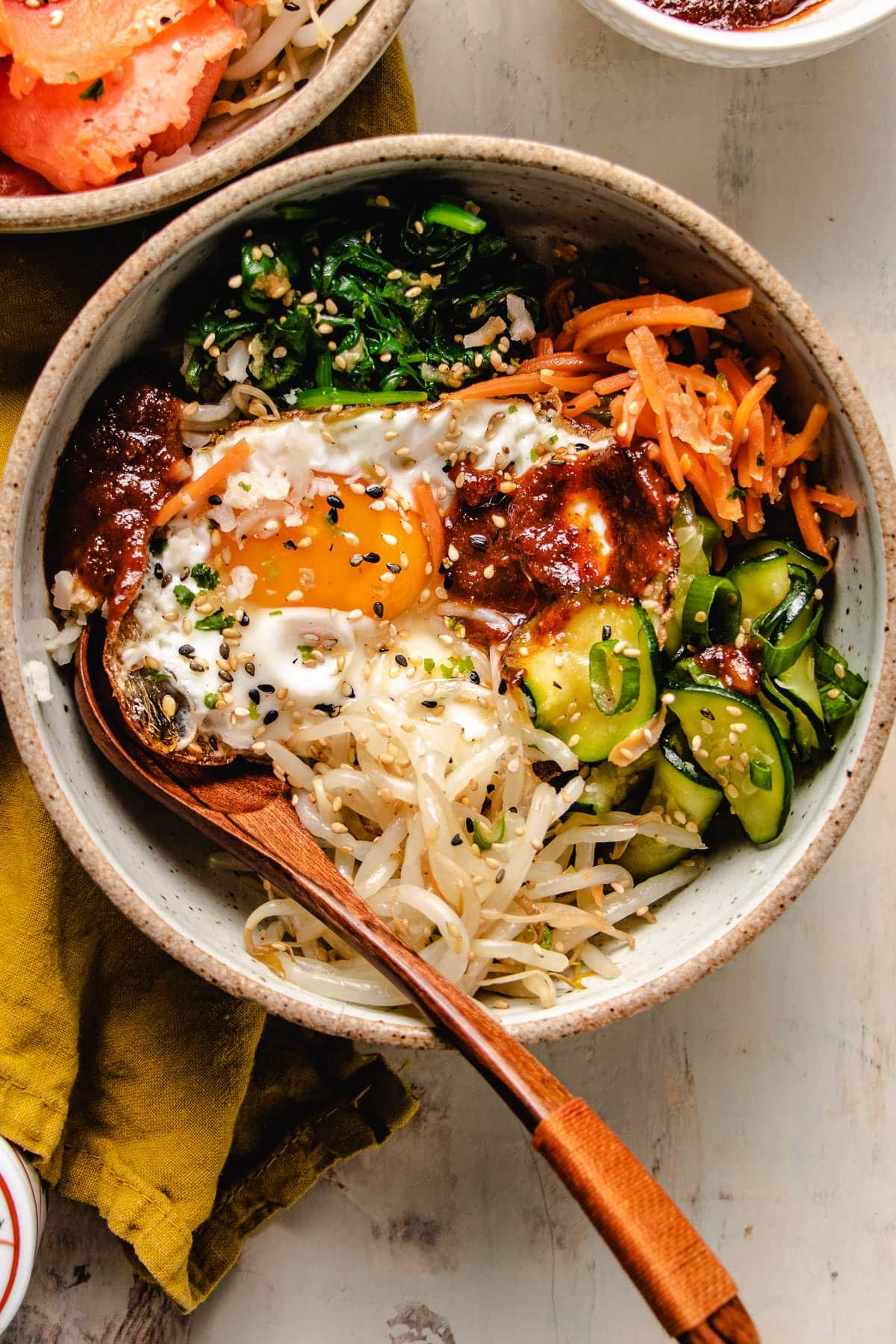
A good mild order usually starts with rice. Rice softens strong sauces and gives the meal a familiar base. Bulgogi-style beef, galbi, simple rice bowls, and some soups can be approachable choices depending on preparation. Banchan may include spicy kimchi, but it can also include mild vegetables or lightly seasoned sides.
How to ask for less heat
The most useful question is specific: "Which dishes are mild?" or "Can this sauce be served on the side?" Some dishes are spicy by design, especially stews or stir-fries that depend on chili paste or gochugaru. Other dishes may be easier to adjust. Asking early helps the staff guide you toward food that fits your comfort level.
Mild ordering table
| Preference | Possible direction | Question to ask |
|---|---|---|
| Very mild | Rice bowl, grilled meat, or mild soup. | Is the sauce spicy or served on the side? |
| Some flavor | Bulgogi, galbi, or mixed rice. | Does it contain chili paste? |
| Shared table | One mild dish plus one spicy dish for others. | Can we keep spicy sauces separate? |
Flavor without heat
Mild does not mean plain. Soy sauce, garlic, sesame oil, scallions, broth, grilled edges, and fermented ingredients can create depth without intense spice. Galbi can be sweet and savory. Bulgogi can be tender and aromatic. Rice bowls can be colorful and filling. Even a simple soup can feel comforting when eaten with rice and side dishes.
If the table includes both spicy and mild eaters, build variety into the order. Choose one bold dish for guests who want heat and one gentle dish for guests who do not. This makes the table more welcoming and prevents anyone from feeling stuck with food they cannot enjoy.
Allergy and ingredient notes
Mild food can still contain allergens. Soy, sesame, wheat, egg, seafood, shellfish, nuts, and dairy may appear in sauces, broths, marinades, or side dishes. If you have a medical dietary restriction, ask directly and do not rely only on whether a dish looks spicy or mild.
At 777 Korean Restaurant, guests who prefer mild food can use the menu as a guide and the staff as a resource. Start with rice, ask about sauce, and choose dishes that offer savory comfort instead of heat. Korean dining has plenty of room for gentle flavors.
Building a mild table for a mixed group
When one person wants mild food and another wants spice, the table can still work. Start with a neutral base such as rice, then choose one mild dish that everyone can share. After that, add a spicy dish for guests who want heat. Keeping sauces on the side when possible gives the group more control and prevents one strong flavor from taking over the entire meal.
Mild eaters should also pay attention to temperature and fermentation. A hot stew may feel stronger because it is both hot in temperature and full of seasoning. Kimchi can taste bold even when it is not extremely spicy. If you are unsure, take a small bite with rice first. That is the easiest way to test flavor without overwhelming the meal.
A mild meal can still feel complete
A gentle Korean meal should still have variety. Choose rice for the base, a savory grilled or rice-bowl item for the main flavor, and mild banchan or vegetables for contrast. If you avoid heat completely, ask whether kimchi, chili paste, or spicy powder is built into the dish. Some sauces can be separated, while others are part of the recipe.
Guests who prefer mild food often enjoy Korean dining more when they stop looking only for the plainest item. Instead, look for dishes with sesame, soy, garlic, broth, grilled flavor, or vegetables. These flavors create interest without relying on chili heat.
Best questions for mild eaters
- Is chili paste, chili powder, or spicy sauce already cooked into this dish?
- Can the sauce be served on the side so I can add it slowly?
- Which dish has savory flavor without much heat?
- Which banchan are mild today?
Reader note
This guide is original informational content written to help guests make practical Korean dining decisions. It is not a guarantee of current menu availability, pricing, portion size, spice level, or preparation on a specific day.
If allergies, dietary needs, alcohol choices, takeout timing, or group orders matter, confirm details directly with the restaurant before ordering. Advertising, if shown on this page, is separate from the article and does not change the guidance.