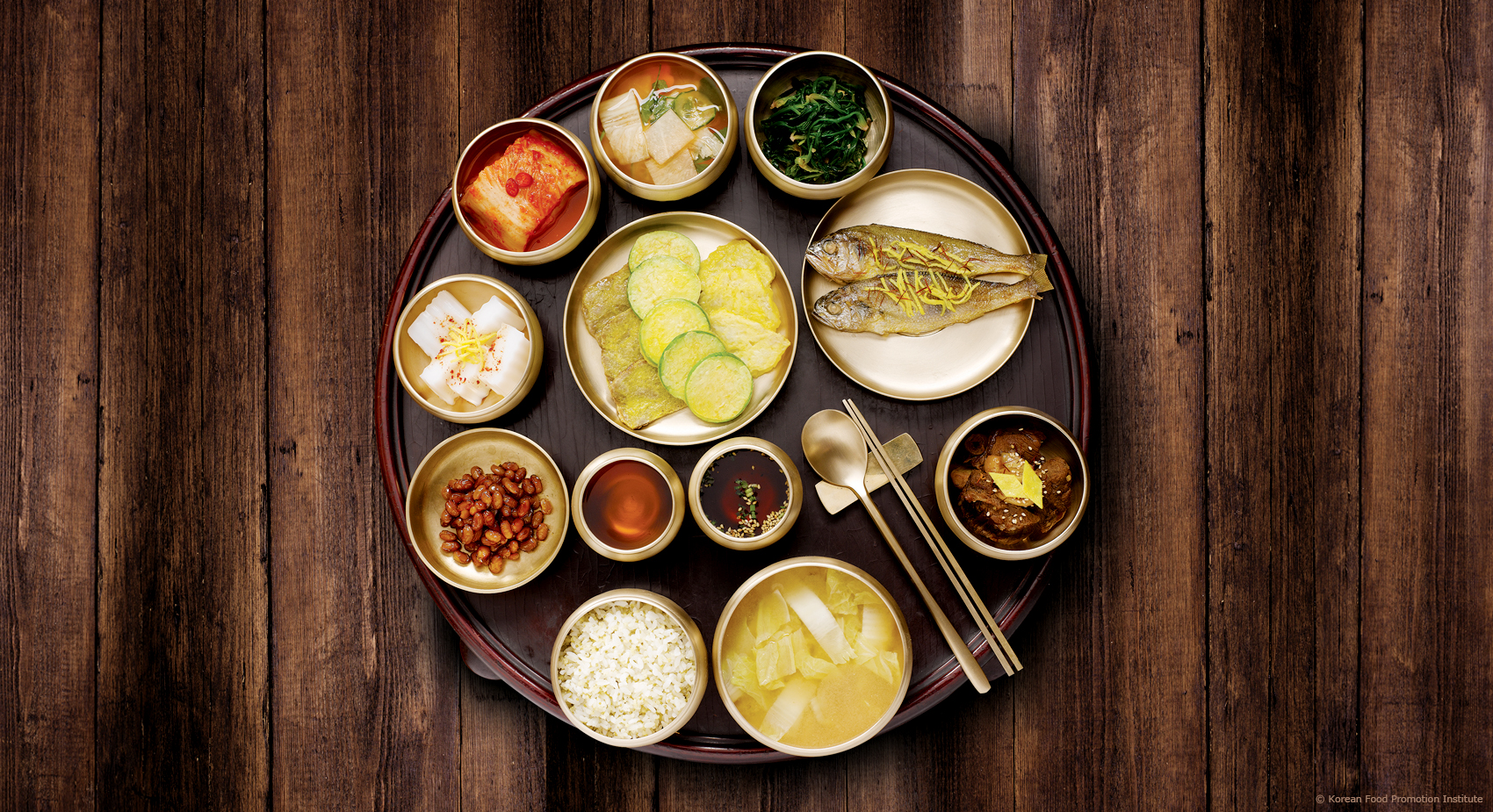
Korean food can work beautifully for families because the table naturally includes variety. Rice, banchan, stews, grilled dishes, soups, and stir-fries can serve different appetites without forcing everyone to eat the same thing. The challenge is planning enough contrast so younger guests, older guests, mild eaters, and spice lovers can all find something comfortable.
A family meal should not start with the spiciest item on the menu unless everyone is ready for that. Begin with a steady base such as rice. Add one mild or familiar dish, one warmer or bolder dish, and side dishes for variety. This gives the table a safe center while still leaving room for discovery.
Build around the most cautious eater
If one guest is sensitive to spice, choose at least one dish that person can enjoy without worry. Rice, mild grilled items, simple bowls, or less spicy soups may help. Guests who want more heat can add sauce or share a spicy dish. This keeps the table welcoming instead of making one person feel left out.
Think about timing and attention
Families often need a meal that is satisfying but not too slow. If the group includes children or guests who get hungry quickly, order at least one familiar base early. Rice and a mild dish can keep the table calm while everyone explores the rest of the meal. If the group wants a slower dinner, add a stew or BBQ item that encourages sharing.
Ask allergy and ingredient questions clearly
Family groups often include different dietary needs. Korean dishes may contain soy, sesame, wheat, egg, seafood, shellfish, nuts, dairy, fermented ingredients, or spicy seasonings. If allergies matter, ask about sauces, broth, marinades, banchan, and cross-contact before ordering.
Let sharing stay flexible
A shared table does not mean every person must eat every item. Some guests may focus on rice and mild dishes. Others may reach for spicy stew or grilled meat. That flexibility is one of the strengths of Korean dining. A thoughtful order gives everyone a path through the meal.
Keep the table understandable
When several ages are eating together, too many unfamiliar dishes can make the meal harder. Choose a few clear roles: rice for the base, one warm dish, one shareable main, and side dishes for variety. This gives younger guests and first-time visitors a way to understand the table without needing a long explanation.
It also helps to introduce new flavors in small bites. A tiny taste of kimchi, a spoonful of broth with rice, or a mild sauce on the side is less intimidating than a full plate of something unfamiliar. Families can make the meal educational without making it stressful.
Plan for leftovers and pacing
Family tables sometimes order more than expected. If that happens, separate hot items, rice, and cold sides when packing leftovers. During the meal, pace the order so the table can enjoy the first dishes before adding more. A calm pace makes the meal feel generous instead of rushed.
At 777 Korean Restaurant, planning a family meal is mostly about balance. Choose a steady base, keep one mild option available, ask about ingredients, and let banchan and shared plates create variety naturally.
Reader note
This guide is original informational content written to help guests make practical Korean dining decisions. It is not a guarantee of current menu availability, pricing, portion size, spice level, or preparation on a specific day.
If allergies, dietary needs, alcohol choices, takeout timing, or group orders matter, confirm details directly with the restaurant before ordering. Advertising, if shown on this page, is separate from the article and does not change the guidance.