Korean food can include many ingredients in sauces, broths, marinades, side dishes, and garnishes. If you have a food allergy or medical dietary restriction, it is important to ask direct questions before ordering. Do not rely only on how a dish looks. A clear broth may contain seafood. A vegetable side may contain sesame. A sauce may contain soy, wheat, shellfish, egg, or nuts.
This article is general dining guidance, not medical advice. Guests with serious allergies should speak directly with restaurant staff and decide whether the kitchen environment is appropriate for their needs. Shared kitchens can involve cross-contact through surfaces, utensils, oil, steam, storage, or preparation areas.
Ask about the hidden parts of a dish
The visible ingredient is only one part of the meal. Broth, marinade, dipping sauce, seasoning powder, garnish, and banchan can matter just as much. For example, a stew may include seafood stock even if the main ingredient is tofu or kimchi. A grilled dish may use soy-based marinade. A side dish may contain sesame oil or fish sauce.
Useful questions
- Does this dish contain soy, wheat, sesame, egg, dairy, peanuts, tree nuts, seafood, or shellfish?
- Is the broth made with anchovy, shrimp, beef, pork, chicken, or other stock?
- Are the sauces made in-house or from a packaged base?
- Is this item cooked on shared equipment with my allergen?
- Can the sauce, garnish, or banchan be left off or served separately?
Be specific and calm
Instead of saying "I cannot eat some things," name the ingredient. If cross-contact is dangerous for you, say that clearly. If your restriction is a preference rather than an allergy, explaining that also helps the team understand the level of care required.
Do not forget banchan and drinks
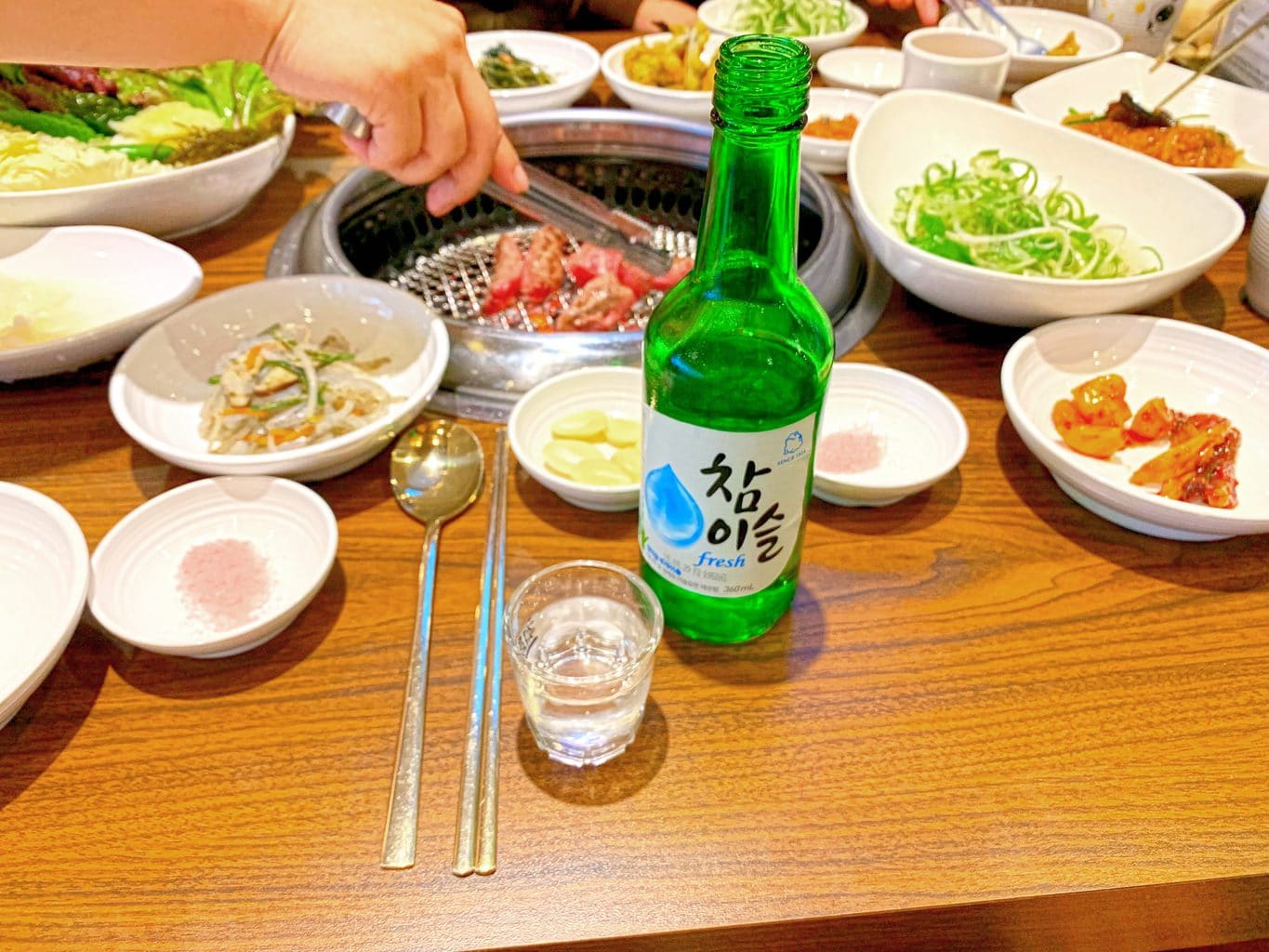
Many guests remember to ask about the main dish but forget the small dishes. Banchan can include sesame oil, fish sauce, shellfish ingredients, wheat-based sauces, egg, or other allergens depending on the recipe. Drinks and desserts can also have ingredients that matter, so a careful guest should think about the whole table, not only the entree.
It also helps to keep the conversation simple. Pick the dishes you are most interested in, then ask about those specific items. A focused question is easier for a restaurant team to answer than a general question about the entire menu. If the answer is uncertain, choose something simpler or wait until the staff can confirm.
When to choose a simpler order
For guests with serious allergies, the safest choice may be a dish with fewer parts. A complex stew, mixed rice bowl, or heavily sauced dish can have many ingredients. A simpler order may be easier to check because the kitchen can explain the base, sauce, garnish, and preparation more clearly.
If the restaurant cannot confirm an ingredient, do not pressure the team to guess. A careful "I am not sure" is better than an unsafe answer. Choose a different dish or return another time when the information can be checked more fully.
At 777 Korean Restaurant, guests should use the menu as a starting point and staff questions as the final step. When allergies matter, the safest order is the one you understand clearly.
Allergy message template
A clear allergy message might sound like: "I have an allergy to sesame and shellfish. Can you check whether this dish, its broth, sauce, banchan, garnish, and cooking surface involve either ingredient?"
If cross-contact is unsafe for you, say that directly. A restaurant can only give useful guidance when the ingredient, severity, and preparation concern are explained before ordering.
Reader note
This guide is original informational content written to help guests make practical Korean dining decisions. It is not a guarantee of current menu availability, pricing, portion size, spice level, or preparation on a specific day.
If allergies, dietary needs, alcohol choices, takeout timing, or group orders matter, confirm details directly with the restaurant before ordering. Advertising, if shown on this page, is separate from the article and does not change the guidance.