Vegetarian-friendly Korean ordering can be very satisfying, but it is best handled with clear questions. Many Korean meals include vegetables, rice, tofu, noodles, and banchan, yet some dishes that look vegetable-based may still use seafood broth, anchovy stock, fish sauce, beef broth, pork, egg, or a meat-based garnish. A calm question before ordering is more useful than guessing from the dish name.
The first thing to ask is whether the broth or sauce contains animal ingredients. Stews and soups often get depth from anchovies, dried seafood, beef, or pork. Kimchi and banchan can also vary by recipe. Some versions are made with fish sauce or shrimp paste, while others may be simpler. This does not make the food unfriendly; it simply means guests with strict preferences should ask directly.
Start with rice, vegetables, and tofu
Rice is usually the easiest base for a vegetarian-style meal. From there, guests can look for tofu, vegetable sides, mild soups, or rice bowls where sauce can be checked or served separately. Bibimbap-style bowls may be approachable if meat can be left off and the sauce ingredients work for the guest. Tofu can be comforting, but the broth or cooking sauce still needs attention.
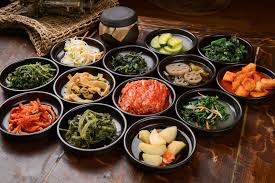
Helpful questions to ask
- Is the broth made with anchovy, seafood, beef, pork, or chicken?
- Does the kimchi or sauce contain fish sauce, shrimp paste, or oyster sauce?
- Can the meat be left off, and will the dish still be cooked separately?
- Can spicy sauce or dressing be served on the side?
- Are any banchan prepared with seafood or meat stock?
Vegetarian-friendly does not always mean vegan
Some guests avoid only meat, while others avoid seafood, egg, dairy, honey, or all animal products. Because those needs are different, use specific language. Saying "vegetarian" may not explain whether seafood broth is acceptable. Saying "no meat, no seafood, no fish sauce, and no egg" gives the restaurant team a much clearer starting point.
Cross-contact may also matter. A shared kitchen may use the same equipment, surfaces, oil, or utensils for different ingredients. Guests with ethical preferences may feel comfortable with that, while guests with allergies or strict dietary needs may not. If cross-contact matters, ask before ordering and be prepared to choose a simpler dish.
Building a satisfying plant-forward table
A good plant-forward Korean meal still needs balance. Rice gives the table structure. Vegetables bring freshness. Tofu adds softness and protein. Sauce adds depth when the ingredients fit. Banchan adds variety, but each side dish should be checked if the guest has strict rules.
Be flexible with the final order
A vegetarian-friendly meal may require small adjustments. One dish may work if the sauce is separate. Another may not work because the broth is already prepared with seafood or meat. Treat the conversation as a practical check, not a problem. The goal is to find a meal that is honest about ingredients and still enjoyable.
If you are dining with guests who eat meat, choose at least one shared item that fits your needs. That way the table still feels social, and you are not limited to a side order while everyone else shares.
At 777 Korean Restaurant, the safest approach is practical and polite: explain your needs clearly, ask about broth and sauces, and choose dishes that can be understood without confusion. Korean dining has many vegetable-rich flavors, but the best experience comes from matching the order to the guest's exact comfort level.
Reader note
This guide is original informational content written to help guests make practical Korean dining decisions. It is not a guarantee of current menu availability, pricing, portion size, spice level, or preparation on a specific day.
If allergies, dietary needs, alcohol choices, takeout timing, or group orders matter, confirm details directly with the restaurant before ordering. Advertising, if shown on this page, is separate from the article and does not change the guidance.