When guests think about Korean food, they often focus on the main dish first. But the base matters just as much. Rice, noodles, and soup each create a different kind of meal. Rice makes strong flavors calmer. Noodles bring chew and comfort. Soup gives warmth, broth, and a slower rhythm. Choosing the right base can make the whole table feel more balanced.
Rice is the most flexible choice. It works with grilled meat, spicy stir-fries, stews, and banchan. It does not compete for attention, which is why it helps with bold sauces and fermented flavors. If a dish tastes intense, rice turns it into a fuller bite instead of a single strong note.
When noodles make sense
Noodles are satisfying when you want texture and a more self-contained meal. They can feel casual, quick, and comforting. Depending on the dish, noodles may be served in broth, with sauce, or as part of a mixed plate. Guests who want a softer meal may prefer soup, while guests who want chew and sauce may enjoy noodles more.
When soup or stew is the better base
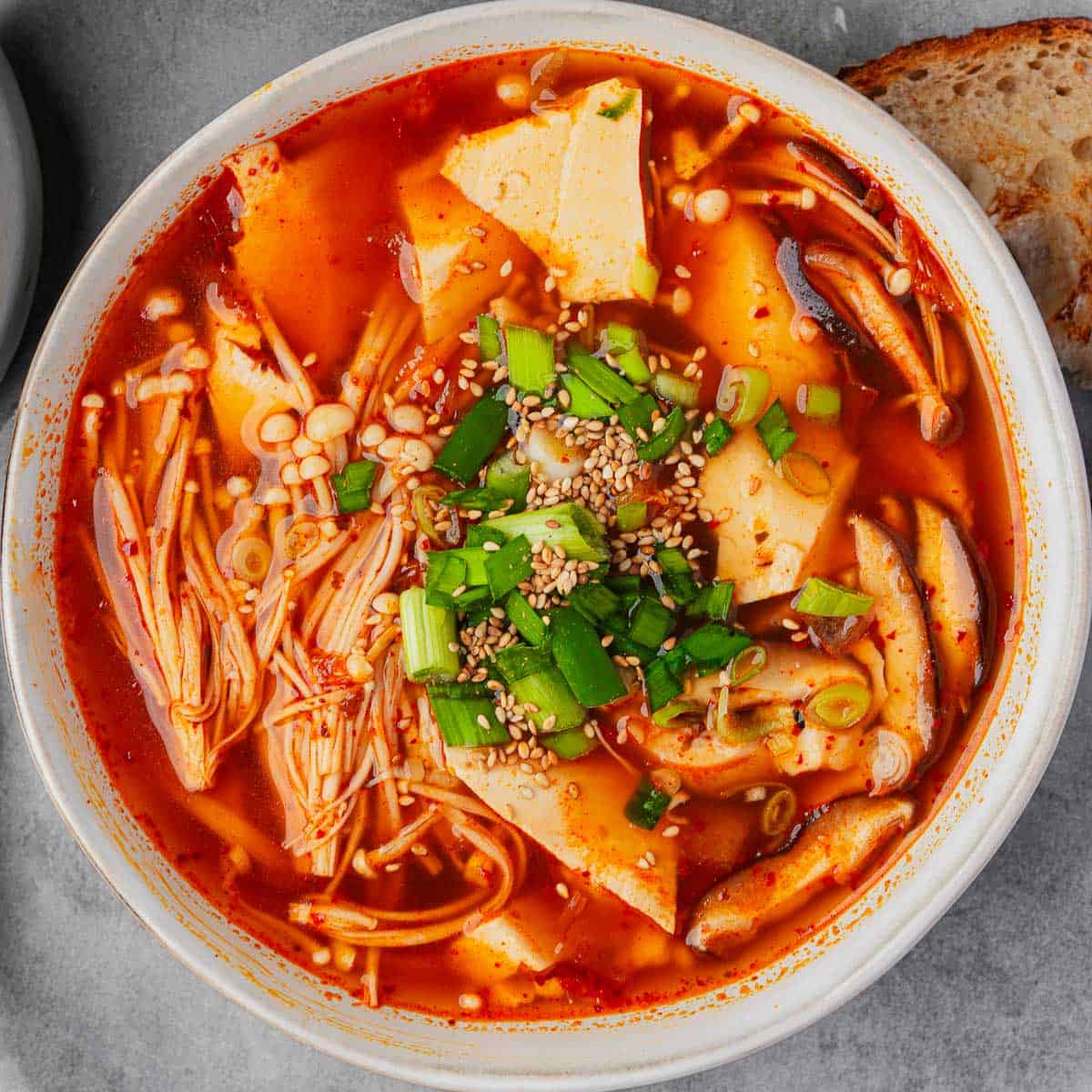
Soup and stew are good choices when the table wants warmth. Broth carries flavor through the whole meal, and rice can be added bite by bite. A stew may be spicy, mild, rich, sour, or deeply savory. Ask about spice level and ingredients before ordering, especially if you have allergies or dietary restrictions.
| Base | Best for | Ordering note |
|---|---|---|
| Rice | BBQ, stews, spicy sauces, banchan. | Best all-purpose balance. |
| Noodles | Chewy texture and casual comfort. | Ask whether the sauce or broth is spicy. |
| Soup | Warm, slower meals. | Check broth ingredients when needed. |
How to combine bases
A group meal can include more than one base, but variety should still make sense. If the table has a hot stew, plain rice is usually enough. If the table has grilled meat, rice and banchan may be more useful than another heavy item. If someone wants noodles, consider whether the rest of the order needs broth, vegetables, or something lighter.
Texture matters as much as flavor
Rice, noodles, and soup do not only taste different; they feel different. Rice is soft and steady. Noodles bring chew. Soup adds warmth and liquid comfort. A table with only soft foods can feel flat, while a table with only rich or chewy foods can feel heavy. Mixing textures makes the meal more satisfying.
Banchan helps here too. Crisp vegetables, fermented sides, or lightly seasoned dishes can break up the texture of rice and broth. If you are ordering noodles, a fresh side dish may be more useful than another saucy item. If you are ordering stew, rice is usually the best partner.
Ask about broth and sauce
Noodle and soup dishes often depend on broth or sauce, so guests with allergies, vegetarian preferences, or spice concerns should ask before ordering. The base may look simple, but the flavor can come from seafood, soy, sesame, wheat, egg, meat stock, or chili paste.
At 777 Korean Restaurant, the easiest approach is to decide what kind of comfort you want. Choose rice when you want balance, noodles when you want chew, and soup when you want warmth. Then let side dishes and sauces add the final contrast.
Reader note
This guide is original informational content written to help guests make practical Korean dining decisions. It is not a guarantee of current menu availability, pricing, portion size, spice level, or preparation on a specific day.
If allergies, dietary needs, alcohol choices, takeout timing, or group orders matter, confirm details directly with the restaurant before ordering. Advertising, if shown on this page, is separate from the article and does not change the guidance.